
- Step 1 — Marinate the Chicken
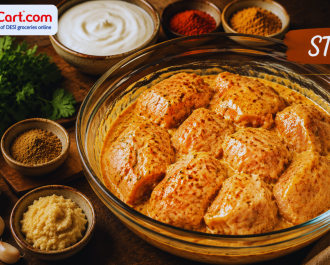
In a mixing bowl, add the chicken & coat it well with the marinade ingredients. For a deeper flavor, cover and refrigerate it for at least 30 minutes or up to 2 hours. Marinating longer also helps the yogurt tenderize the meat.
- Step 2 — Cook the Marinated Chicken
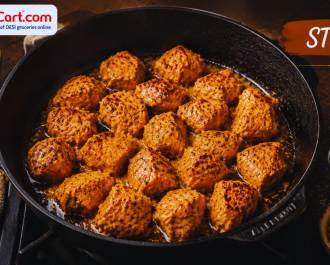
Heat a heavy-bottomed skillet or cast-iron pan over medium-high heat. Add 1 tablespoon of oil. When the oil is hot, add the marinated chicken in a single layer. If needed, cook in batches to avoid steaming. Cook for 6 to 8 minutes, stirring occasionally, until the chicken is lightly browned and almost cooked through. Remove the chicken and set it aside. It will finish cooking in the gravy.
- Step 3 — Build the Gravy Base
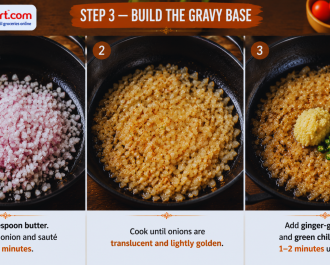
In the same pan, reduce heat to medium and add 1 tablespoon butter. Sauté the chopped onion until translucent and lightly golden, about 5–7 minutes. Add ginger-garlic paste and green chilies, and cook for 1–2 minutes until the raw smell disappears completely.
- Step 4 — Add Tomatoes and Spices
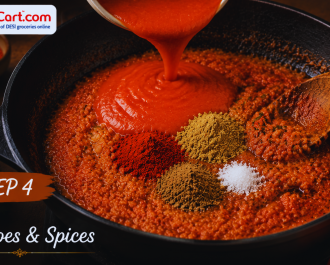
Stir in the tomato puree, red chili powder, coriander powder, cumin powder, and salt. Cook over medium heat, stirring frequently, for 10–12 minutes until the masala thickens, deepens in color, and the Indian spices become fragrant as the oil starts to separate at the edges. This "bhunao" stage (sautéing spices until cooked through) is critical for flavor depth.
- Step 5 — Blend the Cashews
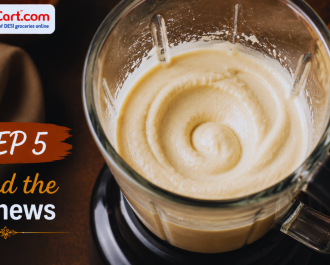
While the gravy cooks, drain the soaked cashews and blend them with 3–4 tablespoons of water until completely smooth and lump-free. A high-speed blender gives the best results. This cashew paste will add body and a natural creaminess to the sauce.
- Step 6 — Combine and Simmer
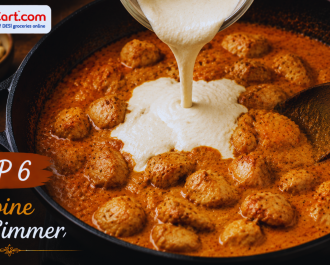
Add the cashew paste to the gravy and stir well. Return the browned chicken to the pan. Add half to one cup of water to get the right consistency. Bring to a gentle simmer, cover, and cook for 10 to 12 minutes, until the chicken is fully cooked (internal temperature 75°C / 165°F) and tender.
- Step 7 — Add the Finishing Touches
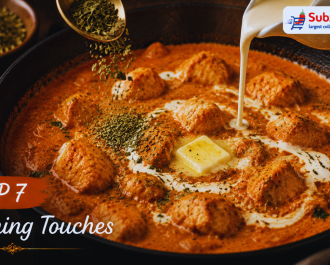
Stir in the remaining tablespoon of butter, indian garam masala, crushed kasuri methi, and sugar. Mix well. Gently fold in the fresh cream. Lower the heat and simmer for 2 to 3 minutes to blend the flavors. Do not boil after adding the cream, as this helps prevent curdling and keeps the sauce smooth.
- Step 8 — Serve
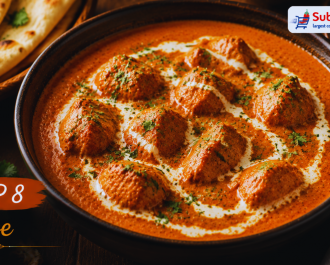
Garnish with plenty of fresh cilantro. Serve right away with naan, tandoori roti, or steamed basmati rice. For a traditional touch, drizzle a little cream on top before serving.
- Calories:420 kcal
- Total Fat:24 gm31%
- Saturated Fat:10 gm50%
- Carbohydrates:14 gm5%
- Protein:38 gm76%
- Vitamin A:1200 IU24%
- Iron:2.4 mg13%
- Calcium:95 mg7%
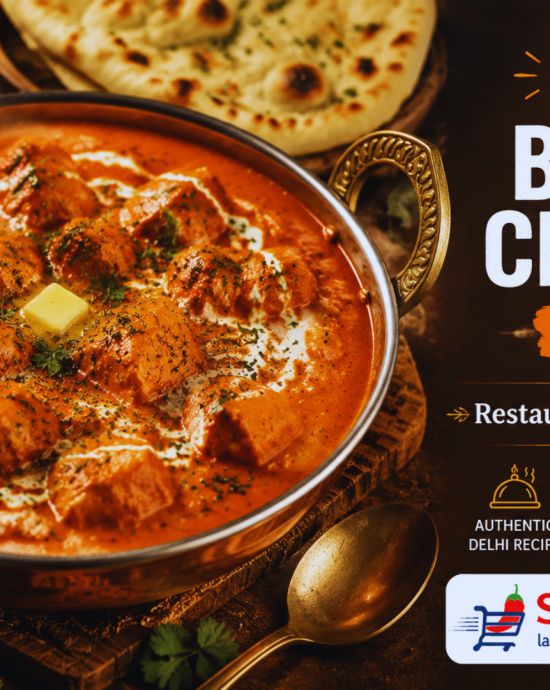
Restaurant Quality at Home — Authentic Delhi Recipe
| ✍ About the Author & Editorial Standards of Butter Chicken Recipe Reviewed & written by the SubziCart.com Editorial Team Our team includes food writers, registered nutritionists, and South Asian culinary experts with decades of combined experience in traditional Indian and South Asian cooking. All recipes are tested in home kitchens under real cooking conditions before publication. Nutritional data is verified using USDA FoodData Central (2024) and ICMR Nutritive Value of Indian Foods data. Credentials: Culinary testing kitchen · Registered nutritionist review · USDA & ICMR sourced nutrition data. Last Updated: July 2026 | Content Freshness: Annually reviewed for accuracy and ingredient availability |
Pro Cooking Tips for Butter Chicken Recipe
| 💡Kasuri Methi: The Must-Have IngredientDried fenugreek leaves (kasuri methi) give Butter Chicken its signature flavor. Always crush them between your palms before adding, as this releases their aromatic oils. No other ingredient matches this flavor. SubziCart.com offers kasuri methi from Punjab, known for its aroma. |
| 💡 Use Chicken Thighs Instead of BreastChicken thighs are much more forgiving than breast meat. They stay juicy even if slightly overcooked and have a richer flavor in dishes like this. If you use breast, be careful not to overcook it. Remove it from the heat as soon as it reaches 75°C / 165°F inside. |
| 💡Always Use Low Heat After Adding CreamIf you add cream to a hot sauce, it can break and turn grainy. After adding cream, keep the heat as low as possible. A gentle simmer for 2 to 3 minutes is enough to finish the dish. |
| 💡 Cashew Paste Adds Creaminess That Cream Alone Can’tCashew paste makes the sauce thick and creamy without making it too rich. Soak cashews for at least 20 minutes to get a smooth paste. If you don’t have cashews, you can use blanched almonds instead, but the flavor will be a bit different. |
Health & Nutrition Notes
Protein: Chicken is an excellent source of complete protein. A 100g serving of cooked chicken provides approximately 27g of protein (USDA FoodData Central, 2024), making this dish highly satiating.
Lycopene: The tomato base is rich in lycopene, a carotenoid antioxidant. Research published in the Journal of the National Cancer Institute (Giovannucci, 1999) associated higher lycopene intake with reduced cardiovascular risk markers.
Lighter Version: Reduce to 1 tablespoon of butter, swap heavy cream for evaporated skimmed milk or low-fat plain yogurt, and use chicken breast. This reduces saturated fat by approximately 40% while preserving the overall flavor profile.
Recipe Variations
Tandoori Butter Chicken
Marinate the chicken as directed. Instead of pan-cooking, cook the chicken on a grill or in the oven at 230°C (450°F) for 12–15 minutes. Add to the gravy as described. The slight smokiness from the char adds a layer of authentic tandoor flavor that elevates the dish significantly.
Vegetarian Butter Paneer (Shahi Paneer)
Replace chicken with 400g of paneer cubes. Pan-fry the paneer in a little butter until golden on all sides before adding to the gravy. The rest of the recipe remains identical. This is an excellent option for vegetarians and is equally authentic in Indian cuisine.
Instant Pot / Pressure Cooker Version
Use the Saute function to cook onions and aromatics. Add all gravy ingredients and the raw, marinated chicken directly. Seal the lid and pressure-cook on High for 8 minutes. Allow natural pressure release for 5 minutes, then quick-release. Open and stir in cashew paste, cream, kasuri methi, and the remaining butter. Saute on low for 3 minutes to finish.
Dairy-Free / Lactose-Free Version
Use a neutral oil or vegan butter instead of regular butter. Swap heavy cream for full-fat coconut cream (not coconut milk) for a slightly different but still delicious flavor. Leave out the yogurt in the marinade and use dairy-free plain yogurt or a lemon-oil rub instead.
Culinary & Historical Context
| Key Entities & Background KnowledgeMurgh Makhani (Butter Chicken): Originated at Moti Mahal Delux, Daryaganj, Delhi, India, circa 1950s. Credited to Chef Kundan Lal Gujral. Now recognized internationally as a flagship dish of Indian cuisine. Kasuri Methi: Dried fenugreek leaves, most commonly sourced from Punjab and Rajasthan in India. The defining aromatic in Butter Chicken, Shahi Paneer, and several other North Indian gravies. Garam Masala: A whole-spice blend typically containing cinnamon, cardamom, cloves, black pepper, and bay leaves. Composition varies by region and manufacturer. SubziCart.com’s restaurant-grade blend is developed specifically for chicken curries. Mughlai Cuisine: A culinary tradition originating in the Mughal Empire (16th–19th century) across the Indian subcontinent. Characterized by rich gravies using dairy (cream, butter, yogurt), nuts (cashews, almonds), and complex spice blends. Biryani, korma, and haleem are other prominent dishes in this tradition. Bhunao Technique: The practice of sautéing whole spices and masalas over medium-high heat while stirring continuously until the oil separates from the spice paste. This is a foundational technique in North Indian cooking that develops deep, rounded flavor. |
Frequently Asked Questions
Q1: What is the difference between Butter Chicken and Chicken Tikka Masala?
Both are popular creamy chicken curries, but they have different origins and flavors. Butter Chicken (Murgh Makhani) started in Delhi in the 1950s and has a sweeter, milder, and smoother gravy with butter and fresh cream. Chicken Tikka Masala is a British-Indian dish, probably created in Glasgow, UK, and uses pre-grilled chicken tikka in a spicier, more tomato-heavy sauce. Butter Chicken is usually milder and better for kids or anyone who prefers less spice.
Q2: Can I make Butter Chicken in an Instant Pot?
Yes. Use the Sauté function to cook the aromatics and spices until fragrant. Add raw marinated chicken and tomatoes. Seal and pressure-cook on High for 8 minutes, followed by a 5-minute natural pressure release. Open, add cashew paste, cream, kasuri methi, and remaining butter. Sauté on low for 3 minutes to finish. The result is nearly identical to the stovetop version.
Q3: Why is my Butter Chicken sauce grainy or separated?
A grainy or separated sauce usually happens when cream is added to a boiling or very hot pan. The proteins in the cream break down with high heat, causing it to separate. To avoid this, always add cream over the lowest heat, stir gently, and never let the sauce boil after adding cream.
Q4: How can I make Butter Chicken healthier?
Use only 1 tablespoon of butter instead of 2. Substitute heavy cream with evaporated skimmed milk or low-fat plain yogurt (added at the very end off heat). Use chicken breast and serve with cauliflower rice instead of basmati for a lower-carbohydrate meal. This approach can reduce the calorie count by approximately 100–120 kcal per serving.
Q5: Can I freeze Butter Chicken?
Yes, Butter Chicken freezes well for up to one month. Let it cool completely before putting it in an airtight container.
Q6: What can I use instead of kasuri methi?
There is no perfect substitute for kasuri methi because its flavor is unique. If you have to, you can use a small amount of fresh fenugreek leaves, but the taste will be more bitter and less aromatic than the dried kind. Some cooks add a tiny bit of maple syrup to balance the flavor, but it’s not quite the same. SubziCart.com offers authentic Punjab kasuri methi, which is the most aromatic variety for this dish.
References & Citations
| Sources Used in This Article: 1. USDA FoodData Central (2024). Nutritional composition data for chicken, spices, dairy, and nuts. U.S. Department of Agriculture. Available at: fdc.nal.usda.gov 2. ICMR — Indian Council of Medical Research. Nutritive Value of Indian Foods. National Institute of Nutrition (NIN), Hyderabad, India. Used for South Asian food composition verification. 3. Giovannucci, E. (1999). Tomatoes, tomato-based products, lycopene, and cancer: review of the epidemiologic literature. Journal of the National Cancer Institute, 91(4), 317–331. doi:10.1093/jnci/91.4.317 4. Collingham, L. (2006). Curry: A Tale of Cooks and Conquerors. Oxford University Press. Historical background on Mughlai cuisine and the development of Indian restaurant food. 5. Moti Mahal Delux (Daryaganj, Delhi). Credited as the origin restaurant for Murgh Makhani. Est. 1920s by Kundan Lal Gujral; Butter Chicken developed c. 1950s. |